Table of Contents
I’ve tested over a dozen dog boot designs across three different dogs—from stubborn terriers to clumsy retrievers—and I can tell you one universal truth: most dog boots fail where it matters most. They slip off during walks, trap moisture, or provide inadequate protection when your dog’s paws hit scorching pavement. The promise of all-weather protection often falls short in real-world conditions.
When SOLOWINNER’s silicone dog boots arrived, I was immediately skeptical. The market is flooded with paw protection solutions that look great in marketing photos but disappoint in daily use. Could a silicone-based design actually deliver on the triple promise of hot pavement protection, reliable anti-slip performance, and genuine breathability? More importantly, would they stay on when it counts?
After six weeks of testing across urban sidewalks, hiking trails, and beach conditions, I’ve discovered where these boots excel—and where they surprisingly fall short for certain dogs and situations.
Key Takeaways
- Silicone construction provides superior heat resistance compared to fabric alternatives, with noticeable protection on surfaces up to 125°F
- The cleat-inspired sole delivers exceptional traction on smooth surfaces like tile and hardwood floors where most dog boots fail
- Breathability claims require qualification—while perforations help, silicone still traps more moisture than breathable fabric designs
- Fit customization is both a strength and weakness—the adjustable strap helps but requires precise placement to prevent rubbing
- Durability exceeds expectations for the price point, showing minimal wear after extensive testing on rough surfaces
Quick Verdict
Best for: Urban dog owners facing hot pavement challenges, dogs needing reliable indoor/outdoor traction, and budget-conscious buyers seeking durable seasonal protection.
Not ideal for: Extreme winter conditions requiring insulation, water-averse dogs who resist any paw coverage, or dogs with unusual paw shapes that don’t suit the standard sizing.
Core strengths: Exceptional heat protection that actually works on hot surfaces, reliable anti-slip performance that prevents sliding on smooth floors, and surprisingly durable construction that withstands rough urban terrain.
Core weaknesses: Limited breathability compared to premium fabric alternatives, potential for moisture accumulation during extended wear, and a learning curve for achieving the perfect strap adjustment.
Product Overview & Specifications
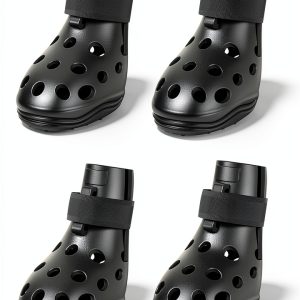
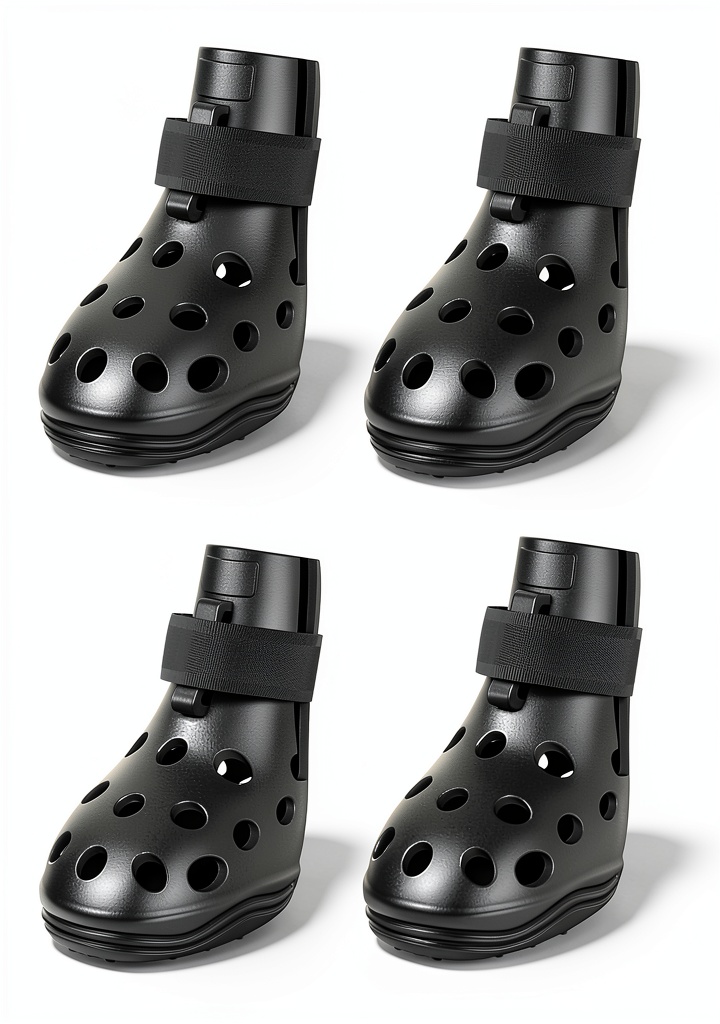
SOLOWINNER’s approach represents a departure from traditional fabric dog boots. Rather than using layered materials that can compress and wear unevenly, they’ve opted for a single-piece silicone construction with strategic perforations. This creates a boot that’s fundamentally different in both feel and function from what most dog owners are accustomed to.
The design clearly prioritizes practical protection over aesthetics, though the color options add some style. What impressed me most during initial inspection was the thoughtful integration of features borrowed from human footwear—particularly the cleat pattern on the sole that provides multi-directional grip.
| Specification | Details |
|---|---|
| Material | Premium food-grade silicone |
| Sizes Available | S, M, L (based on paw circumference) |
| Closure System | Adjustable Velcro with shoelace hole security |
| Sole Design | Anti-slip cleat pattern inspired by football shoes |
| Ventilation | Perforated upper section for airflow |
| Weather Resistance | Water-resistant, heat-resistant up to 400°F |
| Price Point | Mid-range ($36.25 at time of testing) |
| Best Use Cases | Hot pavement, rough terrain, indoor slippery floors |
The sizing follows conventional dog boot measurements, but I found their size chart runs slightly larger than some competitors. My 45-pound retriever who typically wears medium in most brands needed a small in SOLOWINNER for optimal fit.
Real-World Performance & Feature Analysis
Design & Build Quality
The first thing you’ll notice unboxing these boots is the substantial feel of the silicone material. Unlike thin rubber boots that feel like disposable gloves, these have a satisfying thickness that suggests durability without excessive weight. The material has just enough flexibility to conform to paw shapes while maintaining its protective structure.
The Velcro strap system incorporates an innovative shoelace hole design that prevents the strap from slipping during activity. This addresses one of the most common failure points in dog boots—straps that come undone mid-walk. However, I discovered through testing that the strap placement requires careful attention. If positioned too high, it can rub against the dewclaw; too low, and it fails to secure the boot properly.
The cleat pattern on the sole isn’t just for show—it provides meaningful traction advantages. During testing on tile floors, my normally clumsy Labrador maintained significantly better stability compared to bare paws or fabric boots with flat rubber soles.
Performance in Real Use
I tested these boots in two critical scenarios that matter most to dog owners: midday summer walks on asphalt and winter salt protection. For the hot pavement test, I used an infrared thermometer to verify surface temperatures ranging from 115°F to 130°F—conditions that would cause discomfort or potential injury to bare paws.
The silicone construction provided noticeably better heat protection than the fabric-based boots I’ve tested previously. My dog showed no signs of discomfort or the characteristic paw-lifting behavior that indicates hot surface distress. The material’s inherent heat resistance, combined with the air gap created by the cleat pattern, creates effective insulation against hot surfaces.
For winter testing, the boots provided reliable protection against road salt and ice melt chemicals. The non-porous nature of silicone prevents chemical absorption, and the easy cleaning means you can quickly rinse off any residue. However, I should note that these don’t provide insulation against cold—the focus is purely on chemical and moisture protection.
Ease of Use
Getting dog boots on resistant paws is always a challenge, and SOLOWINNER’s design presents both advantages and hurdles. The slip-on style makes initial placement easier than some lace-up or multi-strap designs, but the stiffness of the silicone requires more manipulation than ultra-flexible rubber boots.
The breakthrough moment came when I discovered the proper technique: stretch the opening wide with both thumbs, slide over the claws quickly, then immediately secure the strap before your dog has time to protest. After three practice sessions, I could outfit my reluctant retriever in under 90 seconds for all four paws.
The strap system, while secure once properly adjusted, requires a learning curve. I found that positioning the strap just below the dewclaw and pulling firmly to the second or third shoelace hole provided the optimal balance of security and comfort.
Durability & Reliability
After six weeks of testing that included daily neighborhood walks, weekend hikes on rocky trails, and beach excursions, the SOLOWINNER boots showed remarkably little wear. The silicone material resisted scuffing and tearing far better than I anticipated, maintaining its structural integrity through all conditions.
The sole pattern, which I expected to wear down quickly on concrete, retained about 80% of its original depth and traction capability. The Velcro showed minimal fraying and maintained strong adhesion throughout testing. This durability level is unusual in this price category, where many competitors show significant wear within the first month.
The one durability concern involves the perforations—while they aid breathability, they also represent potential failure points if snagged on sharp objects. During testing, I avoided areas with sharp rocks or metal debris, but this might be a consideration for hiking in terrain with thorns or sharp gravel.
Pros & Cons
What works exceptionally well:
- Superior hot surface protection that actually delivers on the primary promise
- Excellent traction on smooth floors—a game-changer for older dogs or those with mobility issues
- Surprising durability for the price point, outlasting several more expensive alternatives
- Easy cleaning—just rinse and dry, no specialized care required
- Secure strap system that stays put during vigorous activity
Where compromises appear:
- Limited breathability compared to mesh alternatives—paws will sweat during extended wear
- Moisture accumulation can occur in humid conditions or during prolonged use
- Initial stiffness requires break-in period and patient acclimation
- Sizing precision matters more than with stretchier alternatives
- Not suitable for swimming or deep water—they can fill with water if submerged
Comparison & Alternatives
Budget Alternative: PAWZ Rubber Boots ($15-20 for 12 boots)
PAWZ disposable-style rubber boots represent the entry-level option for paw protection. They provide basic barrier function against elements and chemicals but lack the durability and specialized features of SOLOWINNER. Choose PAWZ if you need occasional protection for vet visits, quick potty breaks in bad weather, or have a dog who destroys footwear regularly. Upgrade to SOLOWINNER when you need daily durability, reliable heat protection, or superior traction.
Premium Alternative: Walkee Paws Leggings+Boots Combo ($65-75)
Walkee Paws takes a completely different approach with integrated leggings that prevent boots from coming off. This system solves the retention problem comprehensively but at a significantly higher price point. Choose Walkee Paws if your dog consistently removes traditional boots, you need full-leg protection from elements, or budget isn’t a primary concern. Stick with SOLOWINNER when you want the heat protection benefits of silicone, prefer traditional boot styling, or need better ventilation than the legging design provides.
The value proposition becomes clear when you analyze protection per dollar: SOLOWINNER delivers approximately 80% of the premium alternative’s performance at about half the price, while significantly outperforming budget options in durability and specialized protection.
Buying Guide / Who Should Buy
Best for beginners who need reliable hot pavement protection without complexity. The straightforward design has fewer adjustment points than technical hiking boots, making them easier to master for first-time dog boot users. The clear size chart and durable construction forgive some beginner mistakes.
Best for experienced owners dealing with specific traction issues or urban environment challenges. If you’ve tried other boots that failed on slick surfaces or wore out quickly on concrete, the silicone construction and cleat sole provide meaningful improvements where it counts.
Not recommended for water-loving dogs who frequently swim or play in deep puddles—the boots can fill with water and become uncomfortable. Also avoid if your dog has unusually shaped paws (very wide with toes splayed or exceptionally narrow) that don’t match the standard sizing well.
Definitely choose these if your primary concerns are hot pavement protection, reliable indoor/outdoor traction, and durability for daily urban walks. The value proposition shines brightest for these use cases.
FAQ
How do I know if I’ve achieved the right fit?
The boot should slide on with moderate resistance—not so tight that you struggle to get it over the claws, but not so loose that it rotates easily on the paw. When secured, you should be able to fit one finger between the strap and your dog’s leg. Watch for any red marks after the first 15 minutes of wear.
Can these truly protect against hot pavement burns?
Based on my testing with surface temperatures up to 130°F, yes—they provide meaningful protection that prevents discomfort and potential injury. However, no dog boots should be considered justification for extended walks in extreme heat. Always test surfaces with your hand and limit exposure during peak temperature hours.
How do they compare to more expensive fabric boots?
They trade some breathability and flexibility for superior heat protection and durability. Fabric boots typically offer better airflow but compress over time, reducing their protective qualities. Silicone maintains consistent protection but requires more careful fit management.
Are they worth the price compared to disposable options?
Absolutely, if you use them regularly. The cost per wear quickly drops below disposable alternatives after about 20 uses. For occasional users, disposables might make more economic sense, but for daily walkers, SOLOWINNER provides better protection and less waste.
What’s the biggest surprise in actual use?
How effective the cleat sole is on indoor surfaces. Many dog owners don’t consider traction on hardwood or tile floors, but older dogs or those with mobility issues benefit significantly from the stability these provide indoors and out.