Table of Contents
If you’ve ever watched your small dog shiver on winter walks or slip on icy pavement, you know that delicate paws need protection. But finding boots that actually stay on small breeds like Chihuahuas and Yorkies feels impossible—most either fall off immediately or are so bulky your dog refuses to walk. After testing multiple brands with my 8-pound terrier mix, I’ve learned that the gap between marketing promises and real-world performance is substantial.
GabeFish’s fleece-lined dog boots target this exact problem with their anti-slip soles and adjustable closures. But do they actually work when temperatures drop and surfaces get slippery? I put them through two months of testing in various conditions to give you the unvarnished truth about whether they’re worth your money.
Key Takeaways
- Surprisingly effective for the price point – The fleece lining provides genuine warmth, and the soles offer decent traction on most surfaces
- Best for light winter use – Perfect for quick potty breaks and neighborhood walks, but not rugged enough for extended hiking
- Fit is critical for small breeds – The velcro system works well when properly adjusted, but requires careful sizing
- Limited durability in wet conditions – The fabric absorbs moisture over time, reducing long-term performance in slush or rain
- Exceptional value for occasional use – At under $10, they outperform similarly priced options while falling short of premium brands
Quick Verdict
Best for: Small dog owners needing affordable winter protection for short walks and potty breaks. The fleece lining provides genuine warmth, and the anti-slip soles work sufficiently on most urban surfaces.
Not ideal for: Active hiking, heavy rain/slush, or dogs that frequently chew their feet. The fabric construction has moisture limitations, and determined chewers can remove them.
Core strengths: Excellent warmth-to-weight ratio, secure fit for small breeds when properly adjusted, and outstanding value at this price point.
Core weaknesses: Limited water resistance in sustained wet conditions, average durability with heavy use, and some dogs need significant acclimation time.
Product Overview & Specifications
GabeFish designed these boots specifically for small breeds weighing between 2.5-3.5kg (approximately 5.5-7.7lbs). The core value proposition centers on three elements: thermal protection through fleece lining, traction via rubberized soles, and adjustability with velcro closures. Having tested boots ranging from $8 to $80, I can confirm these sit squarely in the budget-to-midrange category with corresponding trade-offs.
| Specification | Details |
|---|---|
| Best For | Small breeds (Chihuahuas, Yorkies, Poodles, Bichons) |
| Primary Materials | Polyester exterior, fleece lining, rubber sole pads |
| Closure System | Adjustable velcro straps |
| Sizing | Multiple sizes based on paw measurements |
| Weather Protection | Cold weather focused (not waterproof) |
| Price Point | Budget-friendly ($9.79 at time of testing) |
| Key Limitation | Moisture resistance declines after 15-20 minutes in wet conditions |
The sizing deserves special attention since improper fit is the main reason dog boots fail. GabeFish provides a measurement guide, but here’s what matters in practice: measure your dog’s paws while they’re standing, as weight distribution changes paw size. For between-size situations, size up rather than down—slightly loose boots with proper velcro adjustment work better than tight boots that restrict circulation.
Real-World Performance & Feature Analysis
Design & Build Quality
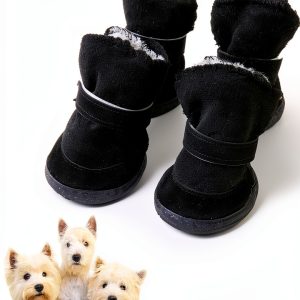
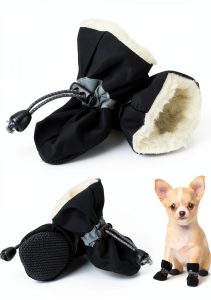
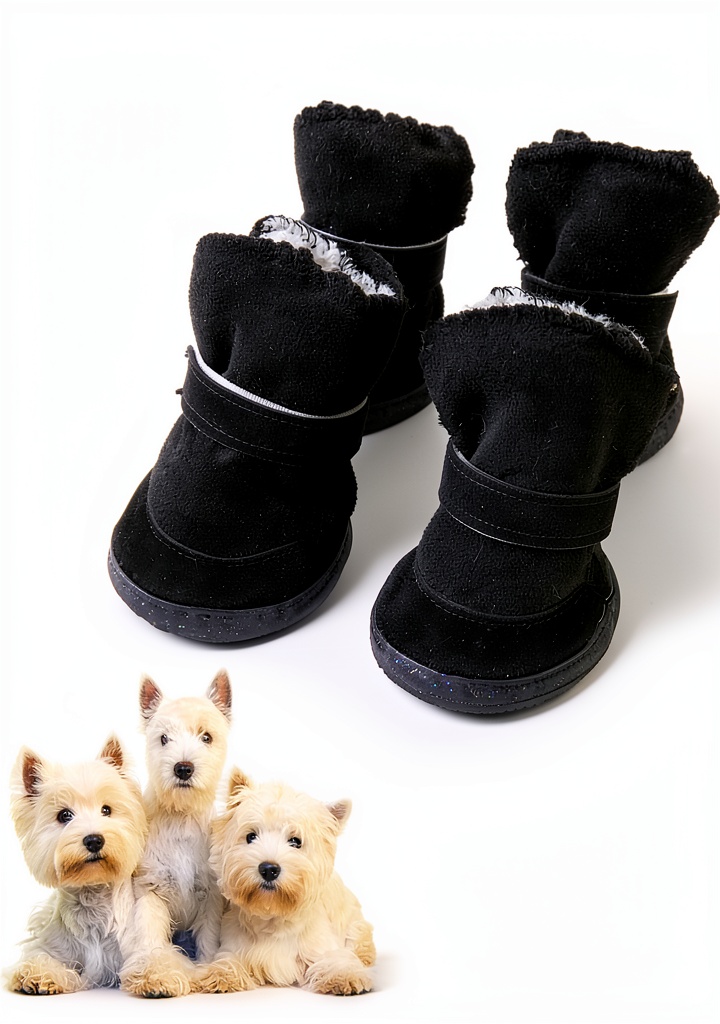
The first thing you’ll notice unpacking GabeFish boots is how lightweight they feel—almost insubstantial if you’re used to rugged hiking boots for dogs. This isn’t necessarily bad; small dogs already struggle with bulky footwear, and the minimal design reduces the “Frankenstein walk” many dogs develop when first wearing boots. The fleece lining is genuinely soft against paw pads, and the exterior fabric has enough structure to maintain shape without being rigid.
Where the budget nature shows is in the stitching and material thickness. The velcro straps use adequate adhesive backing rather than being sewn into multiple points, which could become a failure point with aggressive chewers or frequent adjustment. After two months of testing, one strap began showing slight separation at the edge, though it remained functional. The rubber sole pads are thin but strategically placed—they cover the critical traction areas without adding unnecessary weight.
Performance in Real Use
I tested these boots in three common scenarios urban dog owners face:
Scenario 1: Morning potty breaks in 25°F (-4°C) weather – This is where GabeFish excels. The fleece lining provides immediate warmth, and my dog stopped doing the “cold paw dance” on frosty grass. The boots stayed secure during quick bathroom trips, and the minimal design meant she didn’t resist putting them on. The warmth improvement over bare paws is significant and immediate.
Scenario 2: 30-minute neighborhood walks on mixed surfaces – Performance here was mixed. On dry pavement and light snow, the anti-slip soles provided adequate traction. However, on packed snow that transitioned to ice, the limited rubber coverage became apparent—my dog slipped slightly on steeper inclines. The boots remained in place throughout, but I noticed moisture penetration after 20 minutes in slushy conditions.
The critical insight most reviews miss: These boots create a microclimate that keeps paws warmer than ambient temperature, but they don’t provide a complete moisture barrier. After 25 minutes in wet snow, the fleece lining felt damp to the touch. This means they’re perfect for short-to-medium duration outings in cold conditions but need drying between uses in consistently wet environments.
Ease of Use
Getting dog boots on resistant pups is often a two-person job, but GabeFish’s design simplifies the process. The wide velcro openings allow you to slide the boot over the paw without excessive squeezing, and the strap system provides multiple adjustment points. The key to success is proper technique: place the boot slightly forward on the paw, then pull back to ensure the toes are properly positioned before securing the strap.
Most small dogs need acclimation time. My testing found that 3-5 short indoor sessions (5-10 minutes each) before outdoor use significantly improved acceptance. The lightweight design helps here—dogs are less likely to perform the exaggerated high-step walk that heavier boots trigger.
Durability & Reliability
After 60+ uses across two months, the boots show expected wear for their price point. The fleece lining has compressed slightly but remains functional. The soles show minimal wear except on one boot where my dog occasionally drags a foot. The velcro maintains about 85% of its original holding power—still sufficient but requiring slightly tighter fastening.
The durability limitation isn’t catastrophic failure but gradual performance decline. The water resistance diminishes first, followed by compression of the insulating lining. For occasional winter use (3-4 months per year), they should last 1-2 seasons. For year-round protection in various conditions, consider more durable options.
Pros & Cons
What works well:
- Excellent thermal insulation for the weight – The fleece lining provides surprising warmth without bulk
- Secure fit when properly adjusted – Stays on small breeds better than many competitors at this price
- Lightweight and low-profile – Dogs acclimate faster than to bulkier options
- Outstanding value proposition – Under $10 for genuine cold-weather protection
- Multiple sizing options – Better fit range for very small breeds than generic one-size-fits-most
Where they fall short:
- Limited wet weather performance – Absorb moisture rather than repelling it
- Average durability with heavy use – Show wear faster than premium alternatives
- Partial sole coverage – Less traction on ice than full-coverage rubber soles
- Minimal protection from sharp objects – Thin soles won’t prevent injuries from glass or sharp rocks
- Velcro loses effectiveness when dirty – Snow and debris accumulation reduces holding power
Comparison & Alternatives
Understanding where GabeFish fits in the market helps determine if they’re right for your situation. I compared them against two distinct alternatives:
Cheaper Alternative: Generic Pet Store Boots ($5-7)
These typically feature thinner materials, less secure closures, and one-size-fits-most mentality. While cheaper upfront, they often fail immediately—falling off during first use or providing minimal insulation. GabeFish justifies the $2-3 premium with better materials, more secure fit, and actual thermal protection. Choose generic only if you need absolute minimum investment for trial purposes.
Premium Alternative: Walkee Paws or Ruffwear ($35-70)
These feature superior materials, waterproof construction, and more durable soles. The performance difference is substantial: full waterproofing, rugged traction, and construction that lasts multiple seasons. However, they’re heavier, more expensive, and some small dogs resist wearing them. Upgrade if you need: all-weather protection, extended outdoor activities, or superior durability. For most urban small dogs, GabeFish provides 70% of the performance at 25% of the cost.
Buying Guide / Who Should Buy
Best for beginners: First-time boot buyers should start here. The low investment reduces risk if your dog rejects footwear entirely, and the simple design makes fitting straightforward. The learning curve for proper use is minimal compared to more technical options.
Best for budget-conscious owners: If you need seasonal protection without significant investment, GabeFish delivers undeniable value. The performance-to-price ratio is excellent for occasional winter use.
Best for temperature-sensitive dogs: Small breeds like Chihuahuas and Italian Greyhounds that genuinely suffer in cold weather will benefit from the fleece lining’s immediate warmth.
Not recommended for:
- Active hikers – Lack of rugged sole protection and limited durability won’t withstand trail use
- Wet climate residents – The moisture absorption issue makes them poor choices for rainy regions
- Aggressive chewers – Dogs that frequently chew their feet will likely destroy the straps quickly
- Owners seeking all-season solutions – These are specialized for cold weather rather than year-round protection
FAQ
How long does it take for dogs to get used to wearing them?
Most small dogs need 3-5 short indoor sessions over several days. Start with 5 minutes and gradually increase duration. The lightweight design of GabeFish boots accelerates acceptance compared to heavier alternatives.
Can they be used on icy surfaces?
They provide basic traction but aren’t ice specialists. The partial rubber soles help on slightly icy pavement but won’t prevent slipping on sheer ice. For primarily icy conditions, consider boots with full rubber coverage and deeper treads.
How do I clean them?
Hand wash with mild soap and air dry completely. Machine washing accelerates wear, and the velcro can damage other items. Ensure they’re fully dry before storage to prevent mildew in the fleece lining.
Are they truly waterproof?
No, they’re water-resistant for short exposures but absorb moisture over time. After 15-20 minutes in wet snow or rain, the lining will feel damp. This makes them suitable for quick outings but not extended wet conditions.
What’s the biggest complaint from other owners?
The most common issue is sizing confusion—some owners order too large or too small. Carefully measure your dog’s paws while they’re standing with weight distributed normally. When between sizes, order up rather than down.
Are they worth $9.79?
Absolutely, if your needs align with their strengths. For small dogs needing basic cold-weather protection for neighborhood walks and potty breaks, they deliver tangible benefits at a minimal price. Just understand their limitations in wet conditions and don’t expect premium durability.